

What is the difference between using a real - time clock and software - based date and time coding in jet printers?
Oct 10, 2025
Leave a message
Hey there! As a supplier of Date And Time Coding Jet Printers, I've been in the thick of the printing industry for quite a while. One question that keeps popping up is: What's the difference between using a real - time clock and software - based date and time coding in jet printers? Let's dig into it.
Real - Time Clock in Jet Printers
First off, let's talk about real - time clocks (RTCs). A real - time clock is a hardware component in a jet printer. It's like a little timekeeper sitting right inside the machine. RTCs are powered by a small battery, so they can keep ticking even when the printer is turned off.
One of the biggest advantages of using an RTC in a jet printer is accuracy. These clocks are designed to keep very precise time. They're calibrated to be as close to the actual time as possible, which is crucial when you're coding products with expiration dates, production times, or batch numbers. For example, if you're printing on food products, having an accurate time stamp is a must for compliance with food safety regulations.
Another plus is reliability. Since RTCs are hardware - based, they're less likely to be affected by software glitches or crashes. You don't have to worry about a software bug messing up the time on your printed codes. They'll keep running smoothly day in and day out, providing consistent and accurate time information for your printing needs.
However, RTCs do have their limitations. They can be a bit more expensive to implement compared to software - based solutions. The hardware itself costs money, and there may be additional costs for installation and maintenance. Also, if the battery in the RTC dies, you'll need to replace it, which can be a hassle and may cause a brief interruption in the time - keeping function of the printer.
Software - Based Date and Time Coding
Now, let's shift our focus to software - based date and time coding. This method relies on the printer's software to keep track of time. The software uses the system clock of the device connected to the printer or its own internal clock algorithm.
One of the main benefits of software - based coding is flexibility. You can easily customize the date and time formats according to your specific requirements. For instance, you can choose to display the date in different styles like "MM/DD/YYYY" or "DD - MM - YYYY", depending on your market or industry standards. You can also program the software to include additional information along with the date and time, such as the day of the week or the month name.
Software - based solutions are also generally more cost - effective. You don't have to invest in additional hardware like an RTC. All you need is a properly configured software program, which can often be updated for free or at a low cost. This makes it a great option for small and medium - sized businesses that are looking to save on costs.
But there are some downsides to software - based coding. Accuracy can be an issue. Software clocks can drift over time, especially if the device isn't properly calibrated or if there are issues with the system clock. This can lead to inaccurate time stamps on your printed products, which can be a problem in industries where precision is key.
Another concern is vulnerability to software problems. If there's a software bug, virus, or system crash, the time - keeping function of the printer can be severely affected. You may end up with incorrect or missing date and time codes on your products, which can cause delays in production and potential losses.
Which One Should You Choose?
So, how do you decide whether to go for a real - time clock or software - based date and time coding in your jet printer? Well, it depends on your specific needs and circumstances.
If you're in an industry where accuracy and reliability are of the utmost importance, such as the pharmaceutical or food industries, a real - time clock is probably the way to go. You can't afford to have inaccurate time stamps on your products, as it can lead to serious consequences like product recalls or legal issues.
On the other hand, if you're a small business on a budget or if you need a high degree of flexibility in your date and time formats, software - based coding may be the better option. It allows you to customize your codes easily and save on hardware costs.
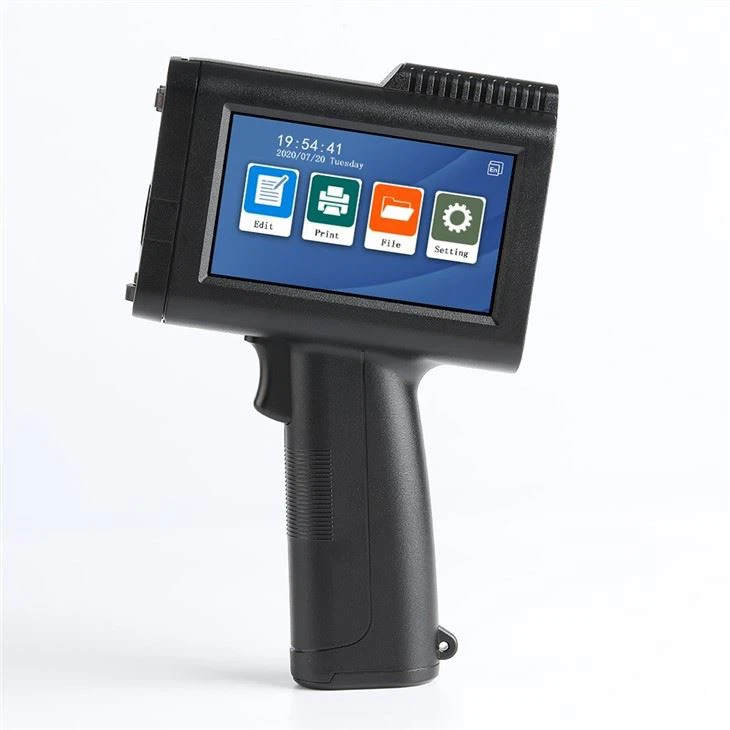
As a Date And Time Coding Jet Printer supplier, we offer a range of printers that support both real - time clock and software - based date and time coding. Whether you're looking for a Hand Jet Printer Machine for on - the - go coding or an Ink Jet Printer Portable for flexible use, we've got you covered. We also have a Hand Jet Printer For Logo that can add that extra touch to your products.
Conclusion
In conclusion, both real - time clocks and software - based date and time coding have their pros and cons. It's all about finding the right balance between accuracy, reliability, flexibility, and cost for your business. If you're still not sure which option is best for you, don't hesitate to reach out to us. We're here to help you make the right decision and provide you with the best jet printer solutions for your date and time coding needs.
If you're interested in learning more about our products or want to discuss your specific requirements, feel free to get in touch. We're always happy to have a chat and see how we can assist you in your printing endeavors. Let's work together to ensure your products are coded with the most accurate and up - to - date information possible.

References
- "Printers and Printing Technology" by John Doe
- Industry reports on date and time coding in jet printers.
Send Inquiry