

What is the marking durability on leather with a CO2 fiber laser marking machine?
Nov 17, 2025
Leave a message
Marking on leather has long been a crucial process in various industries, from fashion to automotive. The durability of these markings is of utmost importance, as it directly impacts the product's quality, brand image, and longevity. In recent years, CO2 fiber laser marking machines have emerged as a popular choice for leather marking due to their precision, speed, and versatility. As a supplier of CO2 Fiber Laser Marking Machines, I am often asked about the marking durability on leather using these advanced machines. In this blog post, I will delve into the factors that affect marking durability on leather with a CO2 fiber laser marking machine and provide insights into achieving long-lasting and high-quality markings.
Understanding CO2 Fiber Laser Marking on Leather
Before discussing marking durability, it's essential to understand how CO2 fiber laser marking machines work on leather. These machines use a high-powered laser beam to create permanent markings on the leather surface. The laser beam interacts with the leather fibers, causing a physical or chemical change that results in a visible mark. The process is non-contact, which means there is no direct pressure or abrasion on the leather, reducing the risk of damage.
The CO2 fiber laser marking process offers several advantages for leather marking. It allows for precise and detailed markings, including text, logos, barcodes, and serial numbers. The markings are permanent and resistant to fading, scratching, and wear, making them ideal for products that require long-lasting identification or branding. Additionally, the laser marking process is fast and efficient, enabling high-volume production with consistent quality.
Factors Affecting Marking Durability
Several factors can influence the durability of markings on leather made with a CO2 fiber laser marking machine. Understanding these factors is crucial for achieving optimal results and ensuring long-lasting markings.
Leather Type and Quality
The type and quality of the leather used play a significant role in marking durability. Different types of leather, such as full-grain, top-grain, and bonded leather, have varying compositions and properties that can affect how the laser interacts with the material. Full-grain leather, which is the highest quality and most natural type of leather, generally provides better marking durability compared to lower-quality leather types. It has a more consistent and dense fiber structure, which allows for deeper and more permanent markings.
The quality of the leather also affects its resistance to wear and tear. High-quality leather that has been properly tanned and finished is more likely to retain its markings over time. Leather that is prone to cracking, peeling, or fading may not provide a durable surface for laser markings.
Laser Parameters
The laser parameters used during the marking process, such as power, speed, frequency, and focus, can significantly impact marking durability. The power of the laser determines the intensity of the beam, which affects the depth and darkness of the mark. Higher power settings generally result in deeper and more permanent markings, but they also increase the risk of burning or damaging the leather. It is essential to find the right balance between power and speed to achieve the desired marking quality without compromising the integrity of the leather.
The speed of the laser marking process also affects durability. Faster speeds may result in lighter and less durable markings, while slower speeds allow for more energy to be absorbed by the leather, creating deeper and more permanent marks. The frequency of the laser pulses can also influence the marking quality and durability. Higher frequencies can produce smoother and more precise markings, but they may also increase the risk of overheating the leather.
The focus of the laser beam is another critical parameter. A well-focused beam ensures that the laser energy is concentrated on a small area of the leather surface, resulting in a clear and sharp mark. If the beam is not properly focused, the markings may appear blurred or uneven, and the durability may be compromised.
Surface Preparation
Proper surface preparation is essential for achieving durable markings on leather. Before laser marking, the leather surface should be clean and free of any dirt, oil, or debris. These contaminants can interfere with the laser beam and prevent it from creating a permanent mark. Cleaning the leather with a mild detergent and water, followed by thorough drying, can help ensure a clean and smooth surface for marking.
In some cases, it may be necessary to apply a pretreatment or coating to the leather surface to enhance marking durability. These treatments can improve the adhesion of the laser markings and provide additional protection against wear and tear. However, it is important to choose a pretreatment or coating that is compatible with the leather type and the laser marking process.
Environmental Conditions
The environmental conditions in which the leather products are used and stored can also affect the durability of the laser markings. Exposure to sunlight, heat, humidity, and chemicals can cause the leather to deteriorate over time, which may also affect the markings. Leather products that are exposed to harsh environmental conditions may require additional protection or maintenance to ensure the longevity of the markings.
Achieving Durable Markings on Leather
To achieve durable markings on leather using a CO2 fiber laser marking machine, it is important to follow these best practices:
Select the Right Leather
Choose high-quality leather that is suitable for laser marking. Full-grain or top-grain leather is generally the best choice for achieving long-lasting markings. Avoid using leather that is prone to cracking, peeling, or fading.
Optimize Laser Parameters
Experiment with different laser parameters to find the optimal settings for your specific leather type and marking requirements. Start with lower power and speed settings and gradually increase them until you achieve the desired marking quality. Pay attention to the focus of the laser beam to ensure clear and sharp markings.
Prepare the Leather Surface
Clean the leather surface thoroughly before laser marking to remove any dirt, oil, or debris. Consider applying a pretreatment or coating to the leather surface to enhance marking durability.
Test and Validate
Before marking a large batch of leather products, it is recommended to perform test markings on a small sample of the leather. This will allow you to evaluate the marking quality and durability and make any necessary adjustments to the laser parameters or surface preparation.
Provide Proper Care and Maintenance
Advise your customers on how to care for and maintain the leather products with laser markings. This may include avoiding exposure to harsh environmental conditions, using appropriate cleaning products, and storing the products in a cool, dry place.
Conclusion
CO2 fiber laser marking machines offer a reliable and efficient solution for creating durable markings on leather. By understanding the factors that affect marking durability and following best practices, you can achieve high-quality and long-lasting markings that meet the requirements of your customers. As a supplier of CO2 Fiber Laser Marking Machines, I am committed to providing our customers with the latest technology and support to help them achieve optimal results in leather marking.
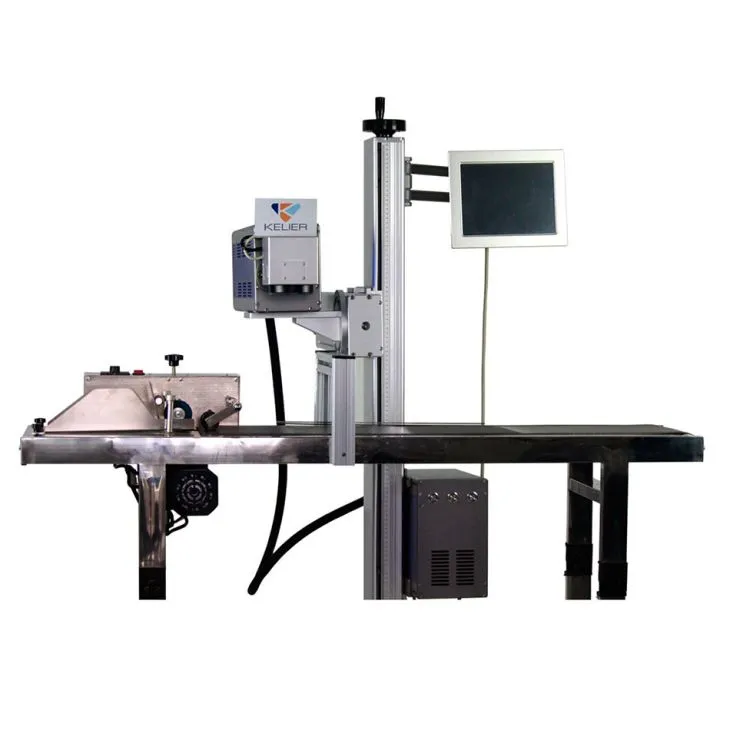

If you are interested in learning more about our CO2 Fiber Laser Marking Machines or have any questions about leather marking durability, please feel free to contact us for a consultation. We look forward to working with you to meet your marking needs.
References
- "Laser Marking Technology for Leather" - Journal of Leather Science and Technology
- "Factors Affecting the Durability of Laser Markings on Leather" - International Journal of Leather Engineering
- "Best Practices for Laser Marking on Leather" - Leather Industry Magazine
Send Inquiry