

How to protect a CO2 fiber laser marking machine from dust and moisture?
Jun 10, 2026
Leave a message
As a reputable CO2 fiber laser marking machine supplier, we understand the significance of maintaining your equipment in optimal condition. Dust and moisture can pose significant threats to the performance and longevity of these high-precision machines. In this blog, we'll discuss effective strategies to protect your CO2 fiber laser marking machine from these environmental hazards.
1. Understanding the Risks Posed by Dust and Moisture
Before delving into protective measures, it's crucial to comprehend the potential damage that dust and moisture can cause to your CO2 fiber laser marking machine.
Dust: Dust particles can accumulate on various components of the machine, including the laser head, lenses, and mirrors. This accumulation can obstruct the laser beam, leading to reduced marking quality and precision. Over time, dust can also cause abrasion to moving parts, increasing wear and tear and potentially causing mechanical failures.
Moisture: Moisture can lead to corrosion of metal components, electrical shorts, and the growth of mold and mildew. Corrosion weakens the structural integrity of the machine, while electrical shorts can cause malfunctions or even permanent damage to the electrical system. Mold and mildew not only pose a health risk but can also interfere with the proper functioning of the machine.
2. Choosing the Right Location
The first step in protecting your CO2 fiber laser marking machine from dust and moisture is to select an appropriate location for installation.
Dust-Free Environment: Choose a room or area that is relatively free from dust. Avoid areas near construction sites, industrial processes that generate a lot of dust, or high-traffic areas. If possible, install the machine in a dedicated clean room or a room with a dust filtration system.
Low-Humidity Area: Moisture levels should be kept as low as possible. Aim for a relative humidity level between 30% and 50%. Areas near sources of water, such as sinks, bathrooms, or outdoor areas prone to flooding, should be avoided. If the ambient humidity is high, consider using a dehumidifier to maintain the optimal humidity level.
3. Enclosure and Sealing
Using an appropriate enclosure for your CO2 fiber laser marking machine is an effective way to protect it from dust and moisture.
Enclosure Design: Opt for an enclosure that is specifically designed to provide a dust-tight and moisture-resistant environment. The enclosure should have a sealed door or access panel to prevent dust and moisture from entering. Ensure that all cable entries and ventilation openings are properly sealed to prevent the ingress of contaminants.
Regular Inspections: Regularly inspect the enclosure for any signs of damage or wear. Check the seals around the doors and access panels for leaks, and repair or replace them if necessary. Also, inspect the ventilation systems to ensure they are clean and functioning properly.
4. Air Filtration and Ventilation
Proper air filtration and ventilation are essential for maintaining a clean and dry environment inside the machine enclosure.

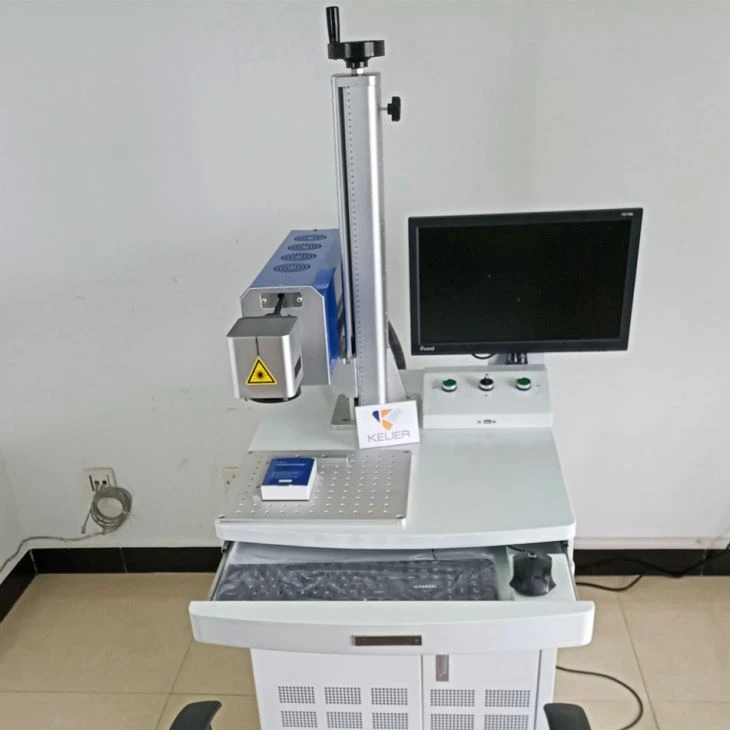
Air Filtration System: Install a high-quality air filtration system in the machine enclosure or the room where the machine is located. The filtration system should be capable of capturing dust particles of various sizes. Regularly replace the air filters according to the manufacturer's recommendations to ensure optimal performance.
Ventilation: Adequate ventilation helps to remove heat and moisture from the machine enclosure. Ensure that the ventilation system is properly designed and installed to prevent the recirculation of contaminated air. The ventilation openings should be equipped with filters to prevent dust from entering the enclosure.
5. Regular Cleaning and Maintenance
Regular cleaning and maintenance are crucial for keeping your CO2 fiber laser marking machine in good condition.
External Cleaning: Clean the exterior of the machine regularly using a soft, dry cloth to remove dust and debris. Avoid using abrasive cleaners or solvents that can damage the machine's surface.
Internal Cleaning: Periodically open the machine enclosure (following the manufacturer's instructions) and clean the internal components. Use a compressed air gun to blow away dust from the laser head, lenses, and mirrors. Be careful not to damage any delicate components during the cleaning process.
Component Inspection: Regularly inspect the machine's components for signs of wear, damage, or corrosion. Replace any worn or damaged parts immediately to prevent further problems.
6. Desiccant Use
Desiccants are materials that absorb moisture from the air. Placing desiccant packs inside the machine enclosure can help to reduce the moisture level and protect the machine from corrosion and mold growth.
Desiccant Selection: Choose a desiccant that is suitable for the environment and the size of the machine enclosure. Silica gel is a common and effective desiccant that can be easily regenerated by heating.
Placement and Replacement: Place the desiccant packs in strategic locations inside the enclosure, such as near the electrical components and areas prone to moisture accumulation. Regularly check the desiccant packs and replace them when they are saturated with moisture.
7. Protection during Transport and Storage
When transporting or storing your CO2 fiber laser marking machine, special precautions should be taken to protect it from dust and moisture.
Transport: Use a sturdy and protective shipping case to transport the machine. Ensure that the case is sealed properly to prevent dust and moisture from entering. If possible, use a climate-controlled transport vehicle to maintain a stable environment.
Storage: Store the machine in a dry and dust-free area. If the machine needs to be stored for an extended period, cover it with a protective dust cover and place desiccant packs inside the cover to absorb any moisture.
Conclusion
Protecting your CO2 fiber laser marking machine from dust and moisture is essential for ensuring its optimal performance and longevity. By following the strategies outlined in this blog, you can minimize the risk of damage and keep your machine running smoothly.
If you're interested in learning more about our CO2 Cabinet Optical Fiber Laser Marking Machine or other products, or if you have any questions about protecting your laser marking machine, feel free to reach out to us. We're here to assist you with all your laser marking needs. And if you're considering a purchase, you can check our Co2 Lasermarking Machine Price for more information. We also offer a CO2 Laser Marking Machine for Leather that is specifically designed for leather marking applications.
Contact us today to start a discussion about your requirements and explore how our products can meet your business needs.
References
- Laser Marking Technology Handbook
- Manufacturer's Manual for CO2 Fiber Laser Marking Machines
Send Inquiry