

Is water - cooling necessary for a CO2 fiber laser marking machine?
Sep 16, 2026
Leave a message
Is water - cooling necessary for a CO2 fiber laser marking machine?
As a supplier of CO2 Fiber Laser Marking Machines, I often encounter questions from customers regarding the necessity of water - cooling systems for these machines. In this blog, I will delve into the science behind it and provide a comprehensive analysis to help you make an informed decision.
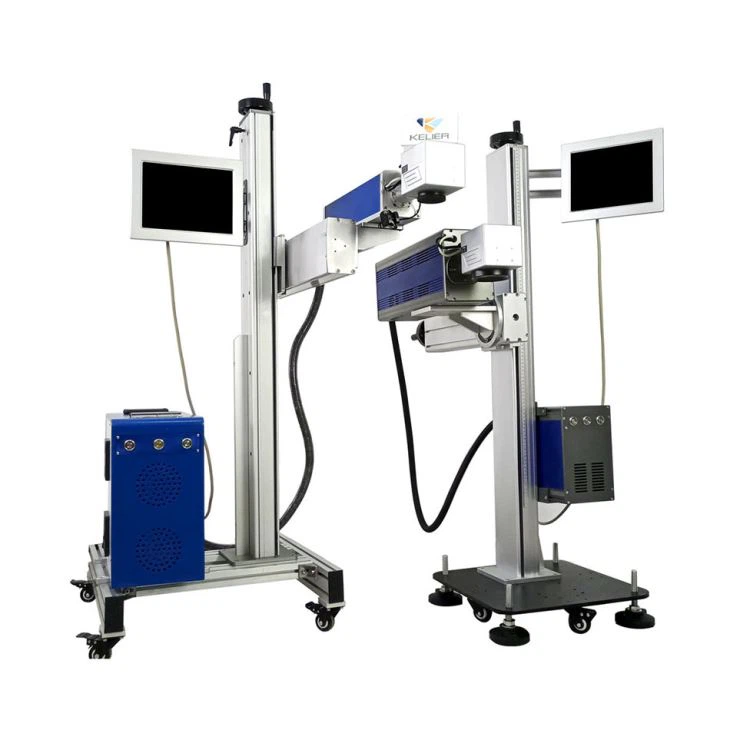

The Basics of CO2 Fiber Laser Marking Machines
CO2 fiber laser marking machines are widely used in various industries for marking non - metal materials such as plastics, wood, glass, and leather. These machines work by emitting a high - energy laser beam that interacts with the surface of the material, creating a permanent mark. The CO2 laser tube is the heart of the machine, and it generates a significant amount of heat during operation.
Why Heat is a Concern
Heat is an inevitable by - product of laser operation. When the CO2 laser tube is in use, the electrical energy is converted into laser energy, and a large portion of the energy is dissipated as heat. If this heat is not properly managed, it can have several negative impacts on the performance and lifespan of the machine.
- Performance Degradation: Excessive heat can cause the laser beam to become unstable. This instability can lead to inconsistent marking results, such as uneven lines, blurred marks, or variations in mark depth. In some cases, the laser power may also decrease, resulting in less clear and less durable marks.
- Reduced Lifespan: High temperatures can accelerate the wear and tear of the laser tube and other components of the machine. The laser tube is a delicate component, and prolonged exposure to high heat can cause it to degrade more quickly. This means that the tube may need to be replaced more frequently, increasing the overall cost of ownership.
The Role of Water - Cooling
Water - cooling systems are designed to remove the excess heat generated by the CO2 laser tube. These systems work by circulating water around the laser tube, absorbing the heat and carrying it away. The water is then cooled in a heat exchanger and recirculated back to the laser tube.
- Temperature Regulation: Water - cooling systems can maintain a stable temperature for the laser tube. By keeping the temperature within an optimal range, the laser beam remains stable, and the marking quality is consistent. This is especially important for high - precision marking applications where even the slightest variation in temperature can affect the final result.
- Component Protection: By reducing the temperature of the laser tube and other components, water - cooling systems can extend their lifespan. This not only reduces the frequency of component replacement but also ensures that the machine operates at its best for a longer period.
Alternatives to Water - Cooling
While water - cooling is an effective way to manage heat, there are some alternative methods that can be used in certain situations.
- Air - Cooling: Air - cooling systems use fans to blow air over the laser tube to dissipate heat. This method is simpler and less expensive than water - cooling. However, air - cooling is less efficient in removing heat, especially for high - power CO2 laser marking machines. It may not be able to maintain a stable temperature under heavy use, which can lead to performance issues.
- Thermoelectric Cooling: Thermoelectric coolers use the Peltier effect to transfer heat. These coolers are compact and can be integrated into the machine. However, they are also less powerful than water - cooling systems and may not be suitable for large - scale or high - power applications.
When is Water - Cooling Necessary?
The necessity of water - cooling depends on several factors, including the power of the laser, the duration of operation, and the specific application.
- High - Power Lasers: For high - power CO2 laser marking machines (e.g., those with a power output of 30W or more), water - cooling is usually necessary. High - power lasers generate a large amount of heat, and air - cooling or thermoelectric cooling may not be sufficient to keep the temperature under control.
- Continuous Operation: If the machine is going to be used for long periods of continuous operation, water - cooling is highly recommended. Continuous operation can cause the temperature to rise rapidly, and water - cooling can ensure that the machine remains stable and performs consistently.
- High - Precision Applications: In applications where high precision is required, such as marking small or detailed designs, water - cooling is essential. The stable temperature provided by water - cooling ensures that the laser beam is consistent, resulting in high - quality marks.
Our Product Offerings
At our company, we offer a range of CO2 laser marking machines, including Co2 Lasermarking Machine For Non - metal Material, CO2 Lasermarker Marking Machine, and CO2 Fly Online Laser Coding Machine. We understand the importance of heat management, and our machines are designed with either water - cooling or other appropriate cooling systems to ensure optimal performance.
Conclusion
In conclusion, water - cooling is often necessary for CO2 fiber laser marking machines, especially for high - power, continuous - operation, and high - precision applications. While there are alternative cooling methods available, water - cooling provides the most effective way to manage heat and ensure the long - term performance and reliability of the machine.
If you are considering purchasing a CO2 fiber laser marking machine and have questions about cooling systems or any other aspects of our products, we encourage you to contact us for a detailed discussion. Our team of experts is ready to assist you in finding the right solution for your specific needs.
References
- Laser Technology Handbook, Second Edition, by John F. Ready
- Principles of Laser Materials Processing, by J. C. Ion
Send Inquiry